Travel Seminars

March 12-22, 2026
Riggio Undergraduate Travel Seminar to Beijing

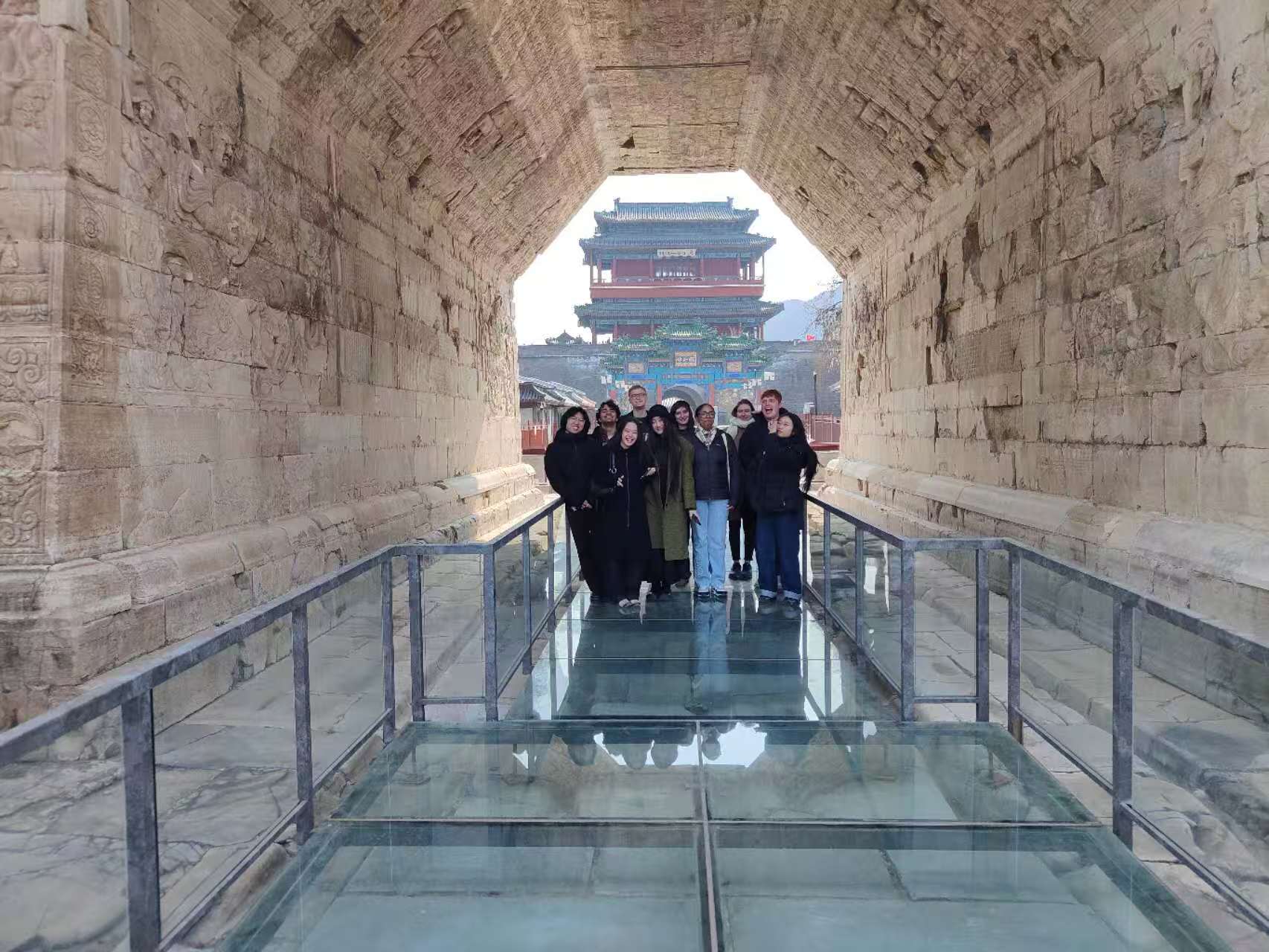
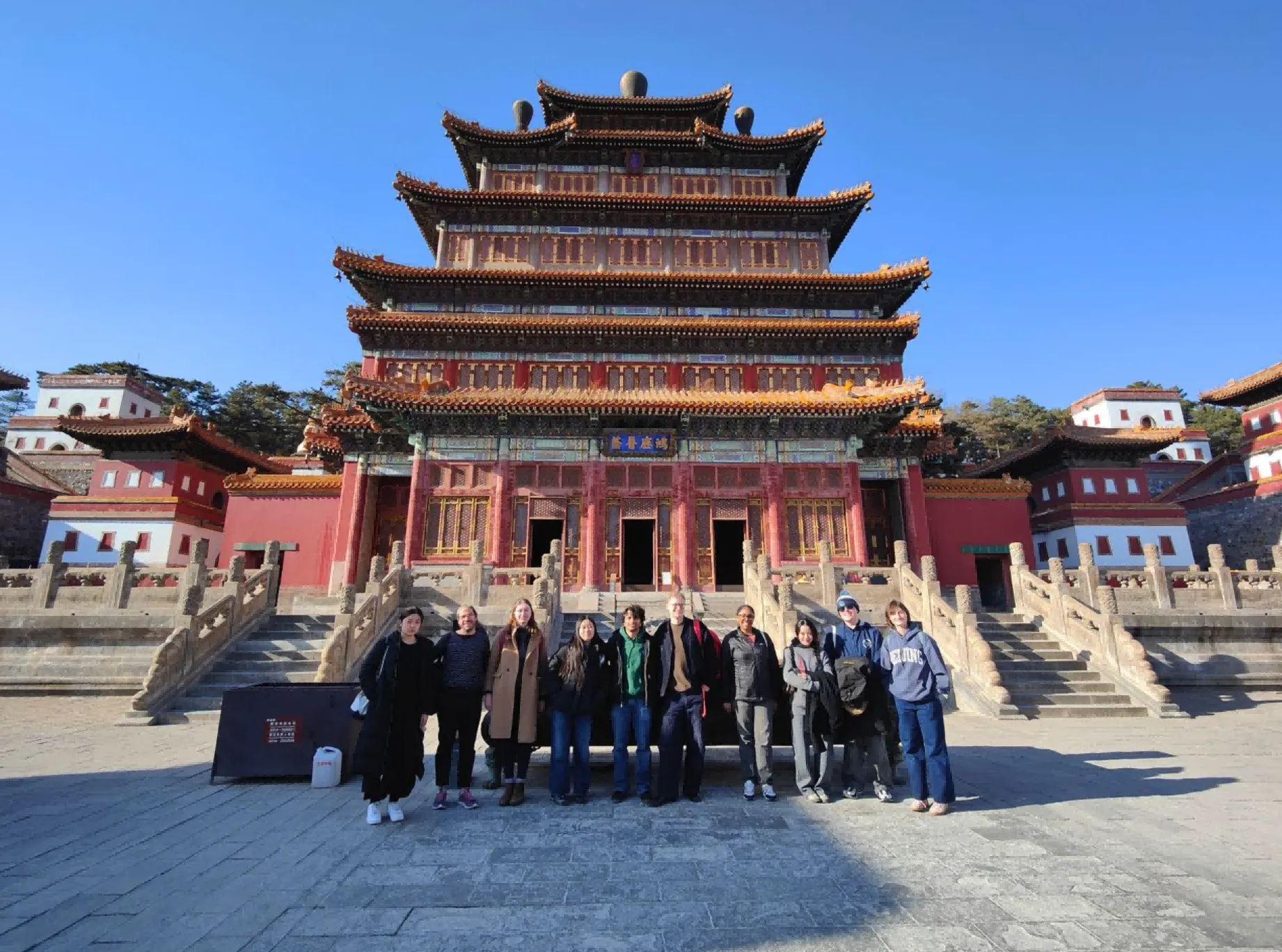
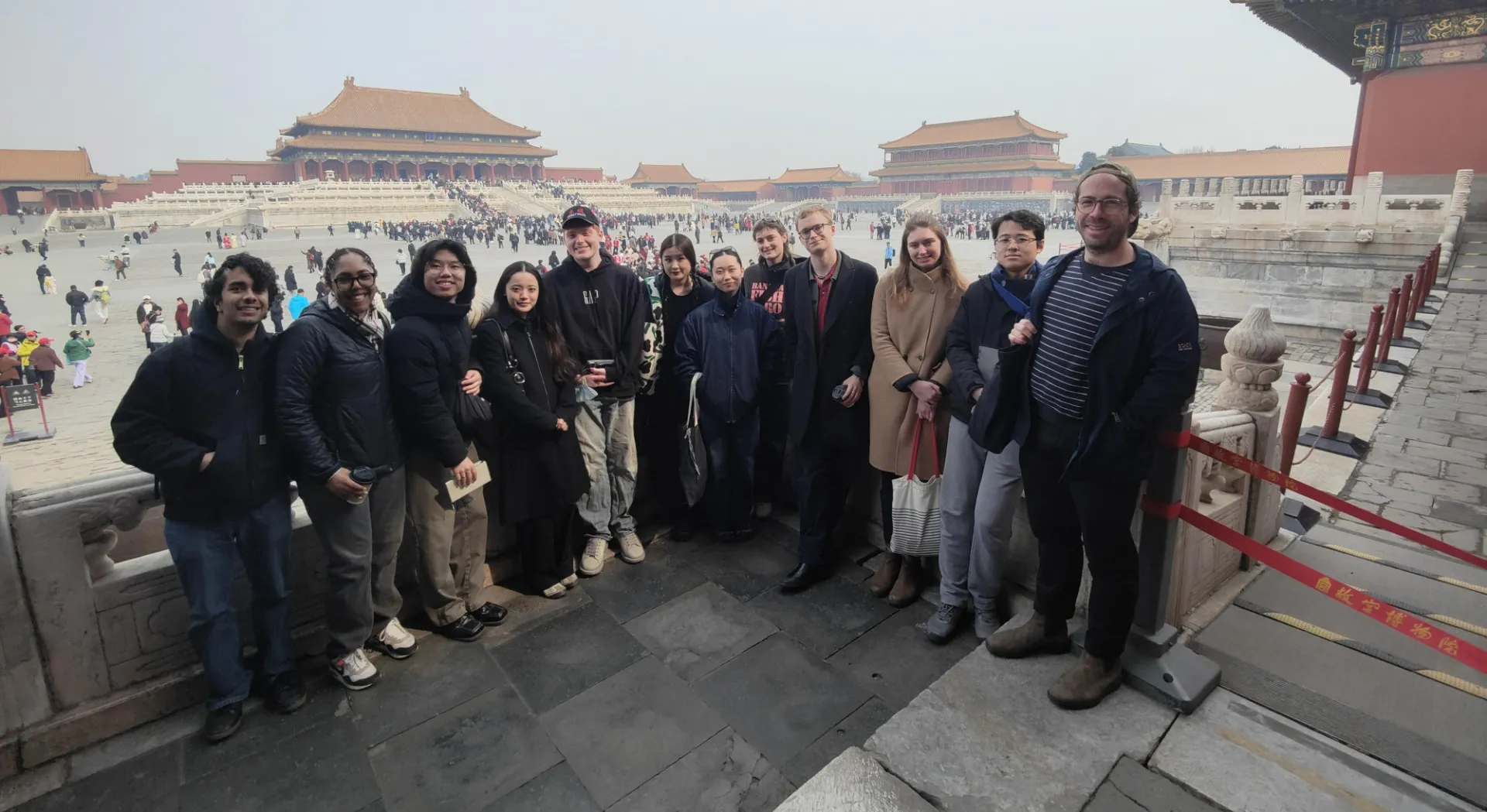
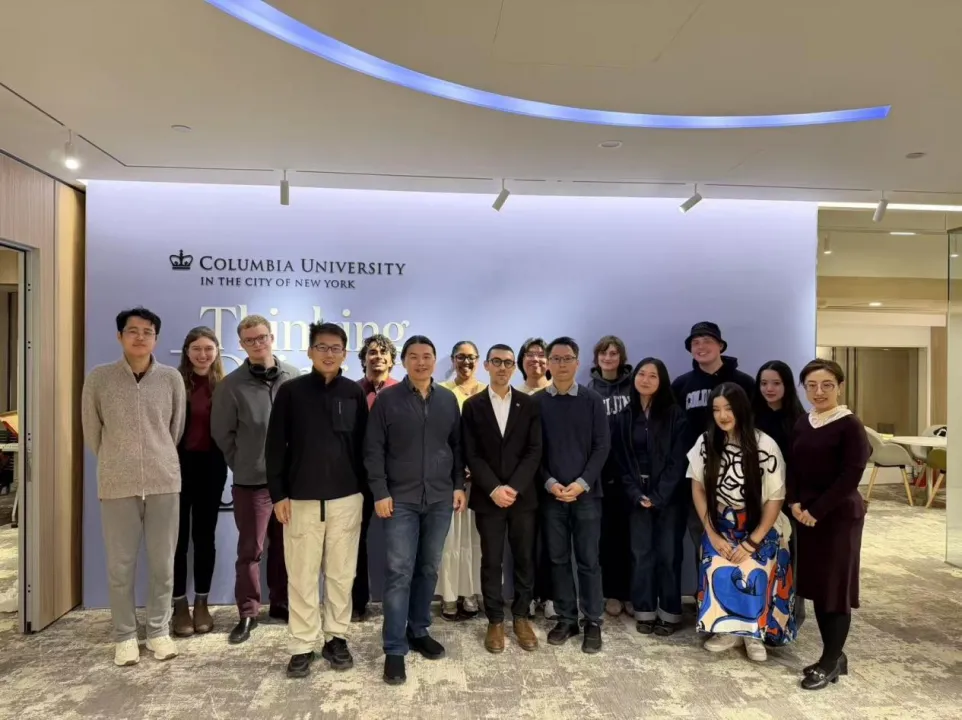
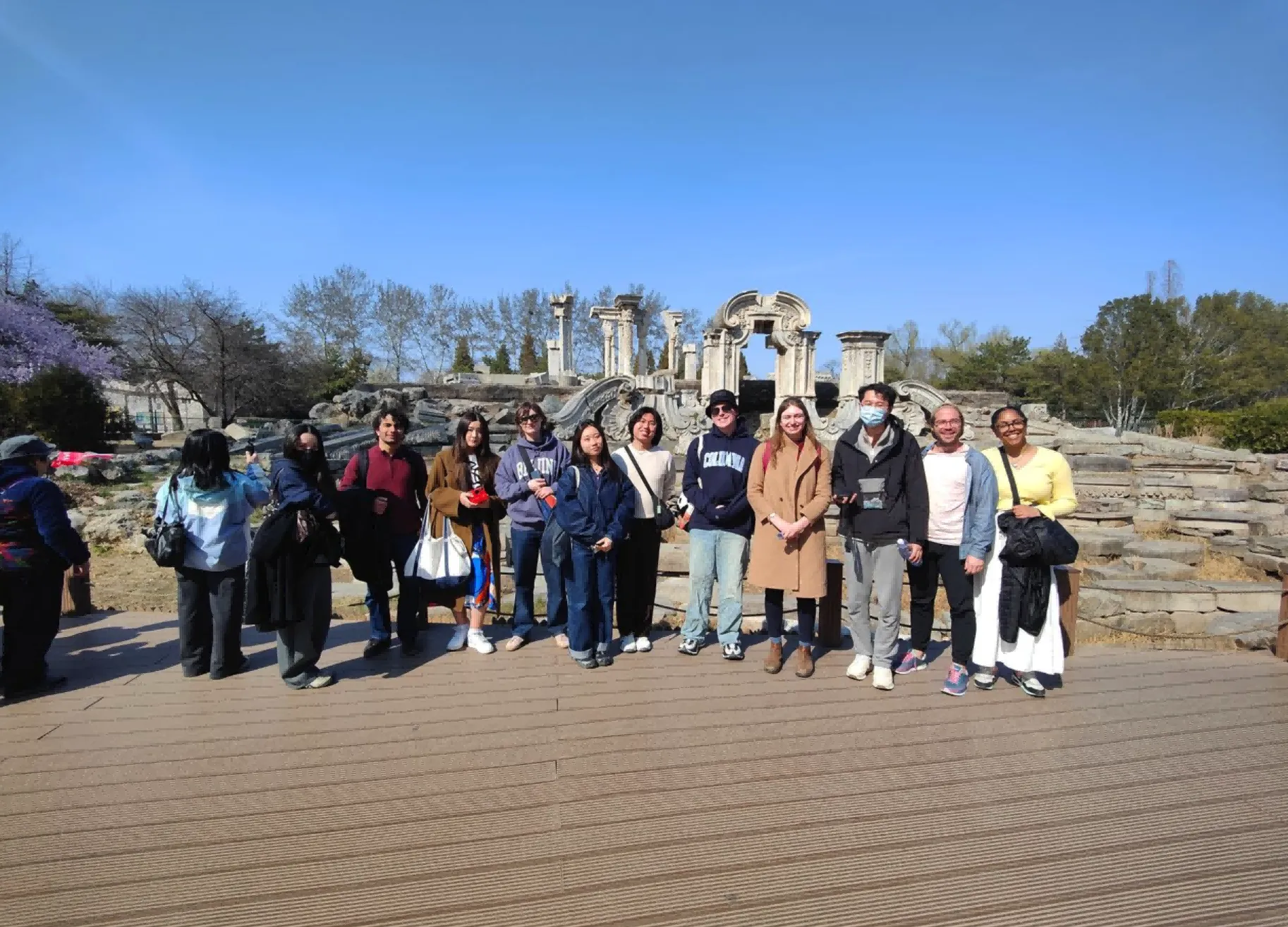
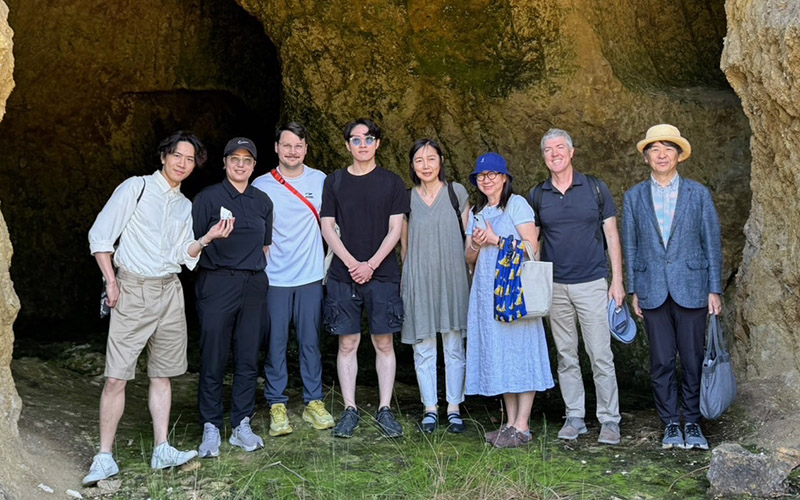
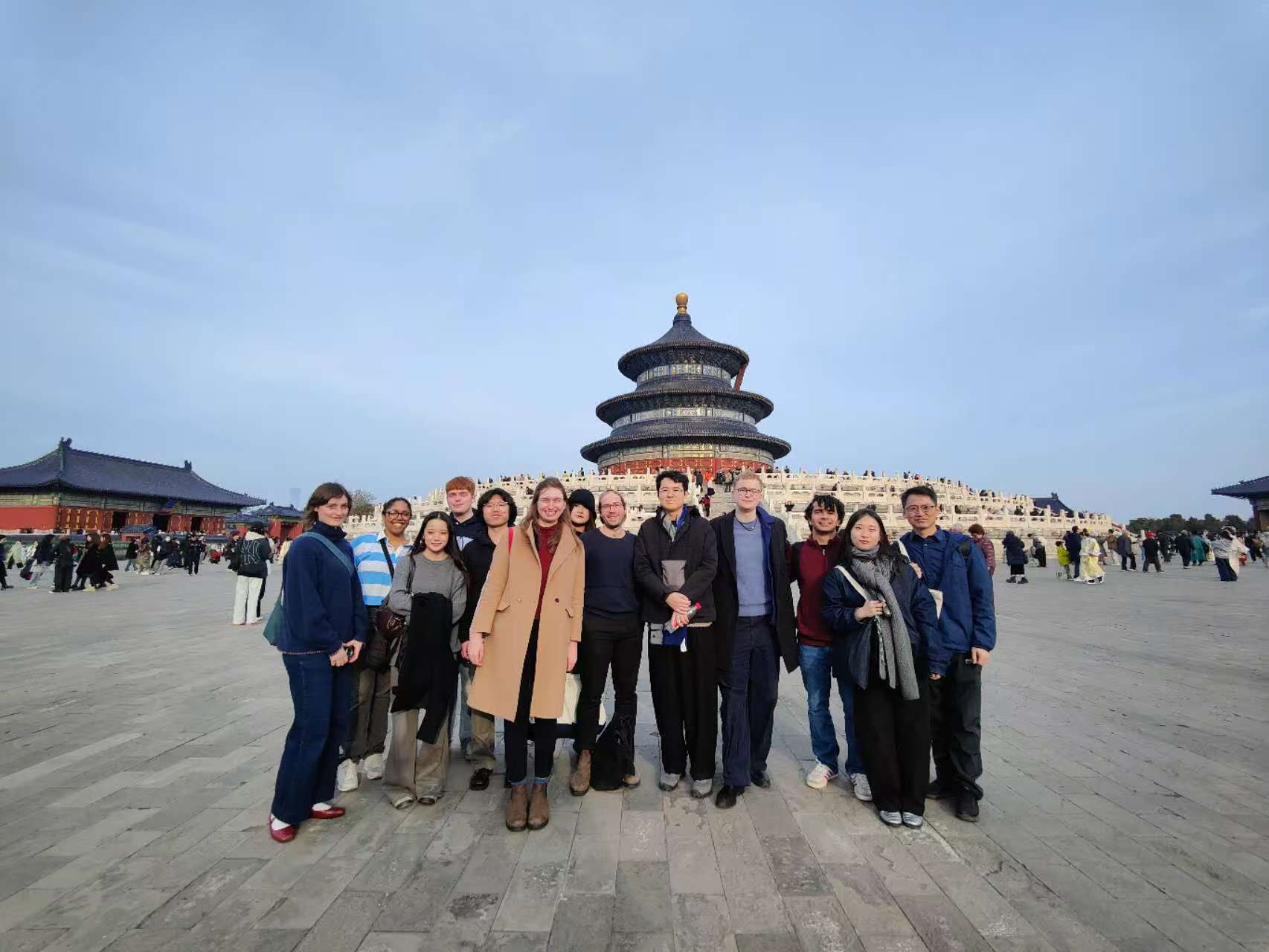
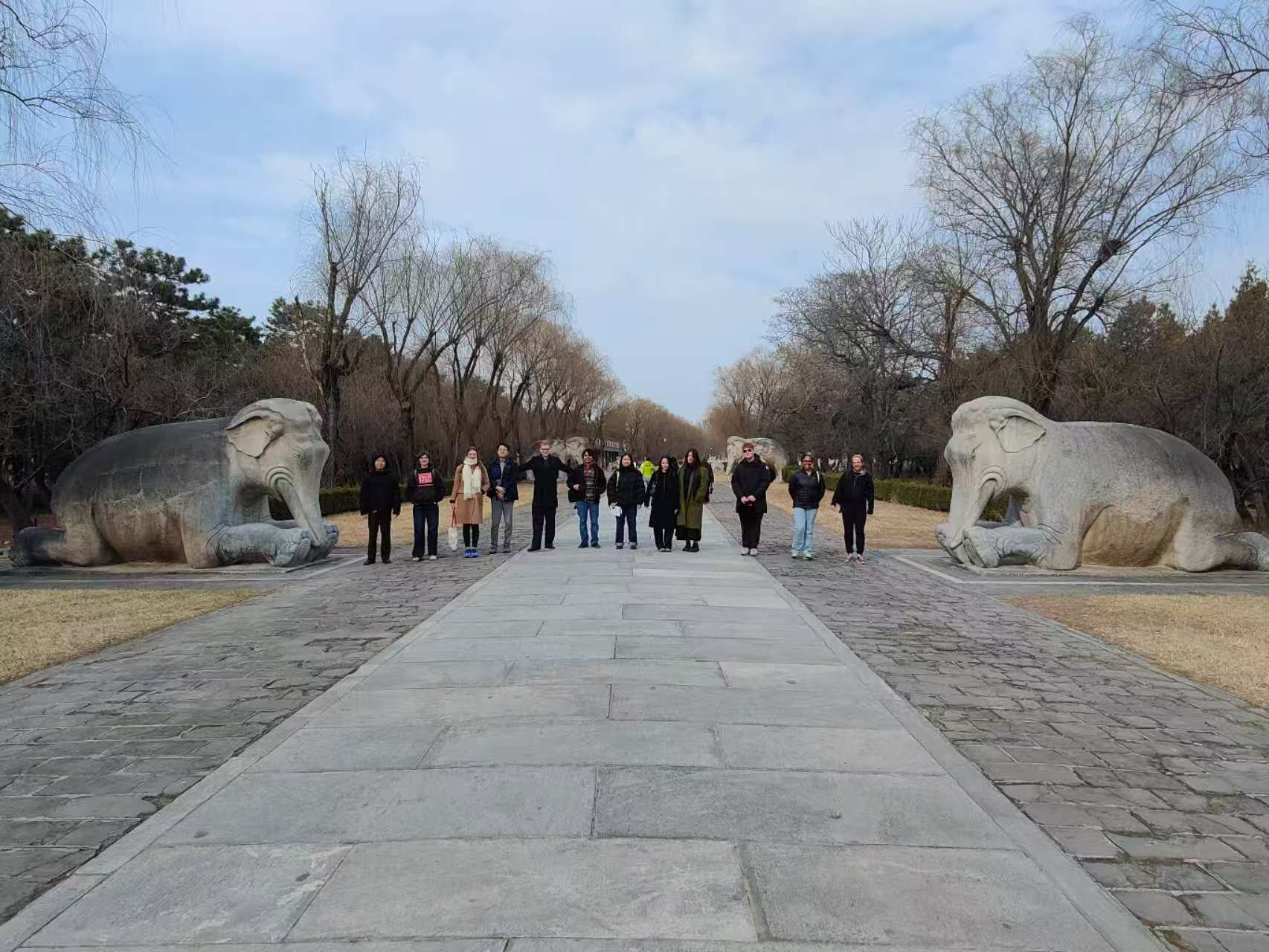
Thanks to the Riggio Program Fund for Undergraduate Support, the department travel seminar went to China for the first time in March 2026. Led by Jin Xu, the Jane and Leopold Swergold Associate Professor of Chinese Art History, a group of nine undergraduate and three graduate students visited over twenty sites in Beijing. Through the advanced undergraduate seminar, “Imperial Art and Architecture of Beijing,” students studied the building projects of Emperor Qianlong and Empress Dowager Cixi, two rulers who drastically changed Beijing’s landscape in the Qing dynasty (1644-1911). 

The first two days of the trip focused on religious and ceremonial spaces in the city. The Temple of Heaven and the Lama Temple showed how builders used strict geometry and symbolic shapes to highlight the emperor’s role as a link between heaven and earth. The group also visited the older Zhihua Temple, the Ancient Observatory, and the Ming City Wall ruins to see how defense and early science fit into the city planning. At the Badaling Great Wall and the Ming Tombs, the students observed how rulers extended their authority into nature. 

The Forbidden City offered the opportunity to examine imperial hierarchy through its symmetrical layout and layered courtyards. Students also visited the special exhibition Beyond Time: The History, Culture and Art of Sakya Monastery. 

At the Summer Palace and Old Summer Palace, the focus shifted to landscape design. Under Empress Dowager Cixi, the Summer Palace turned natural scenery into a lavish display of wealth and recreation. Conversely, the ruins of the Old Summer Palace, left in situ following its destruction by foreign forces illustrated the limits of Qing power. 

In addition to sites in Beijing, the group travelled to nearby Chengde. Visiting the Mountain Estate for Escaping the Heat, the Little Potala Palace, Xumi Fushou Temple, and Puning Temple allowed students to see how the Qing empire expressed authority beyond the imperial capital. 

The trip was enhanced through meetings with preservation specialists and curators from the Palace Museum, and a guest lecture by Michael Cavayero, Assistant Professor at Peking University at the Columbia Global Center Beijing. 
travel seminar in beijing

travel seminar in beijing

travel seminar in beijing

October 31-November 9, 2025
Riggio Undergraduate Travel Seminar to Kyoto and Nara

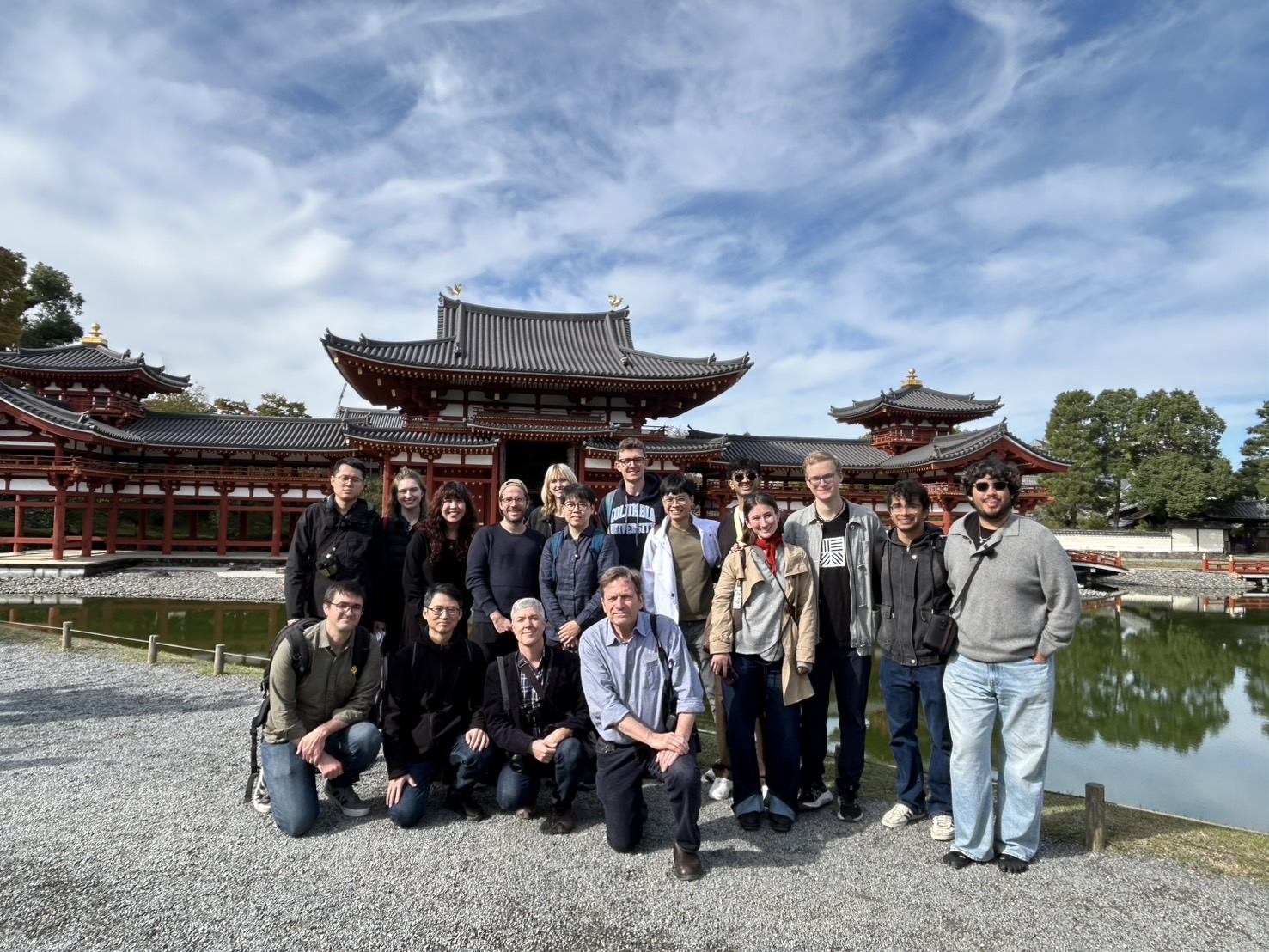
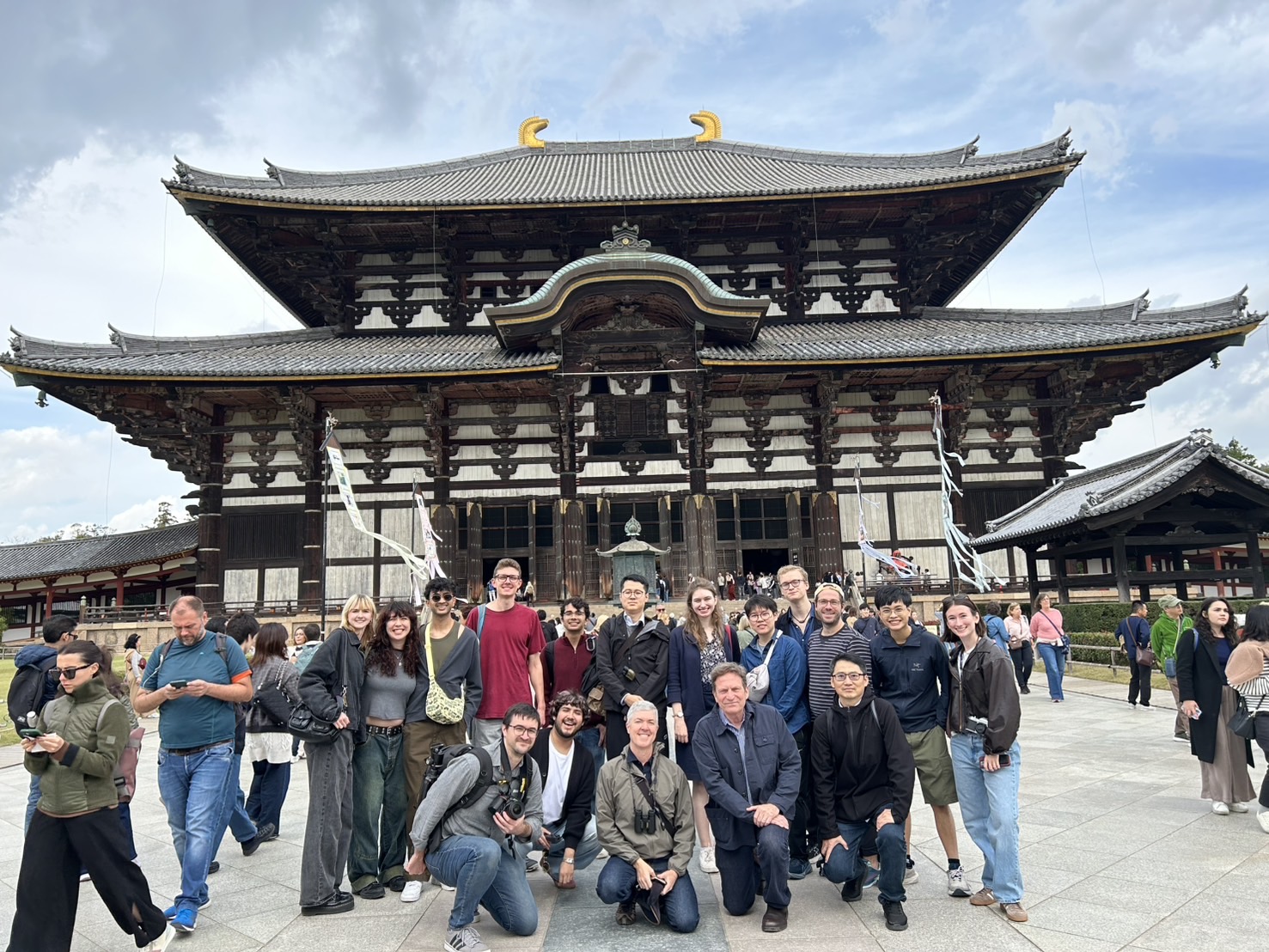
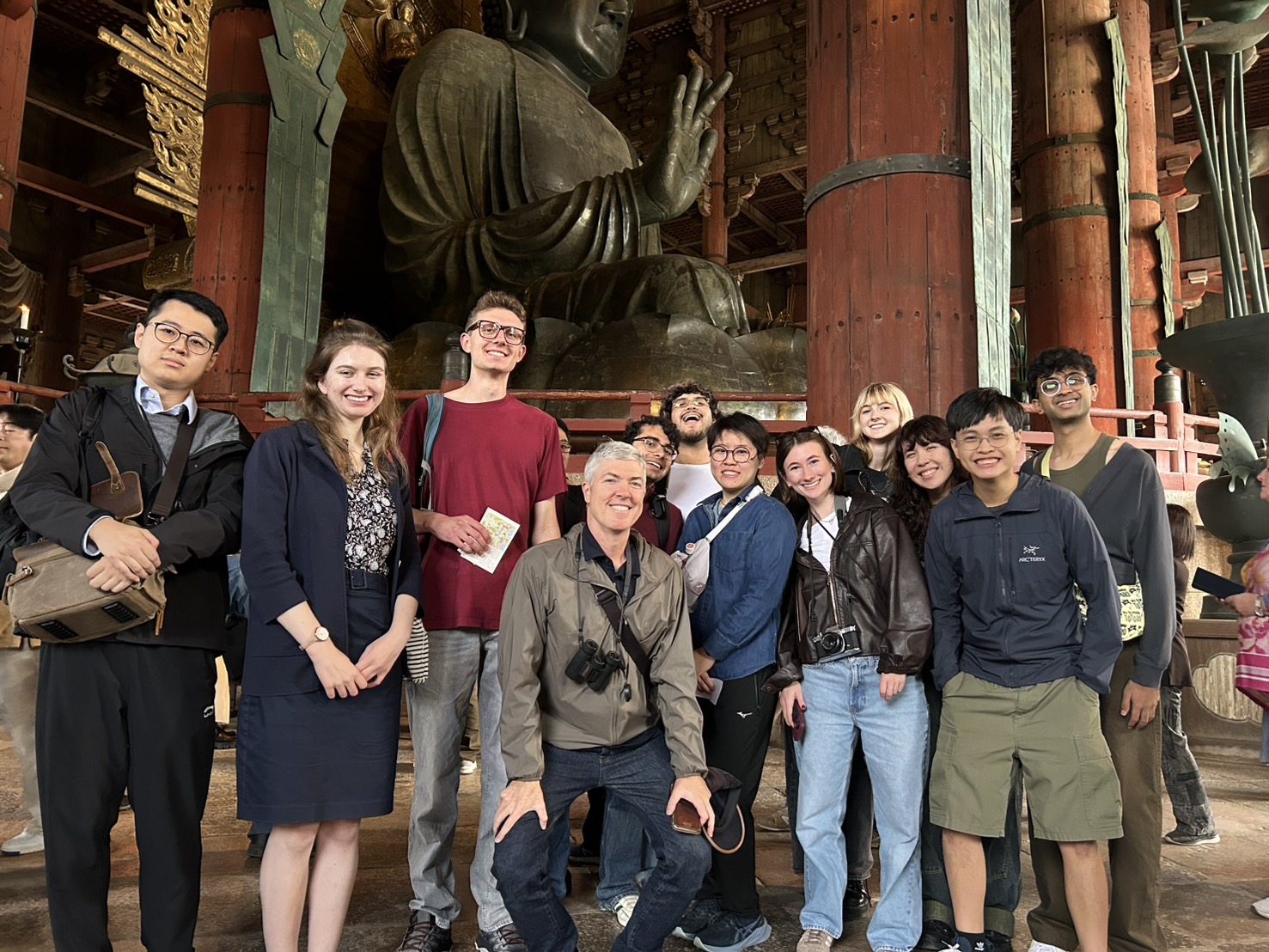
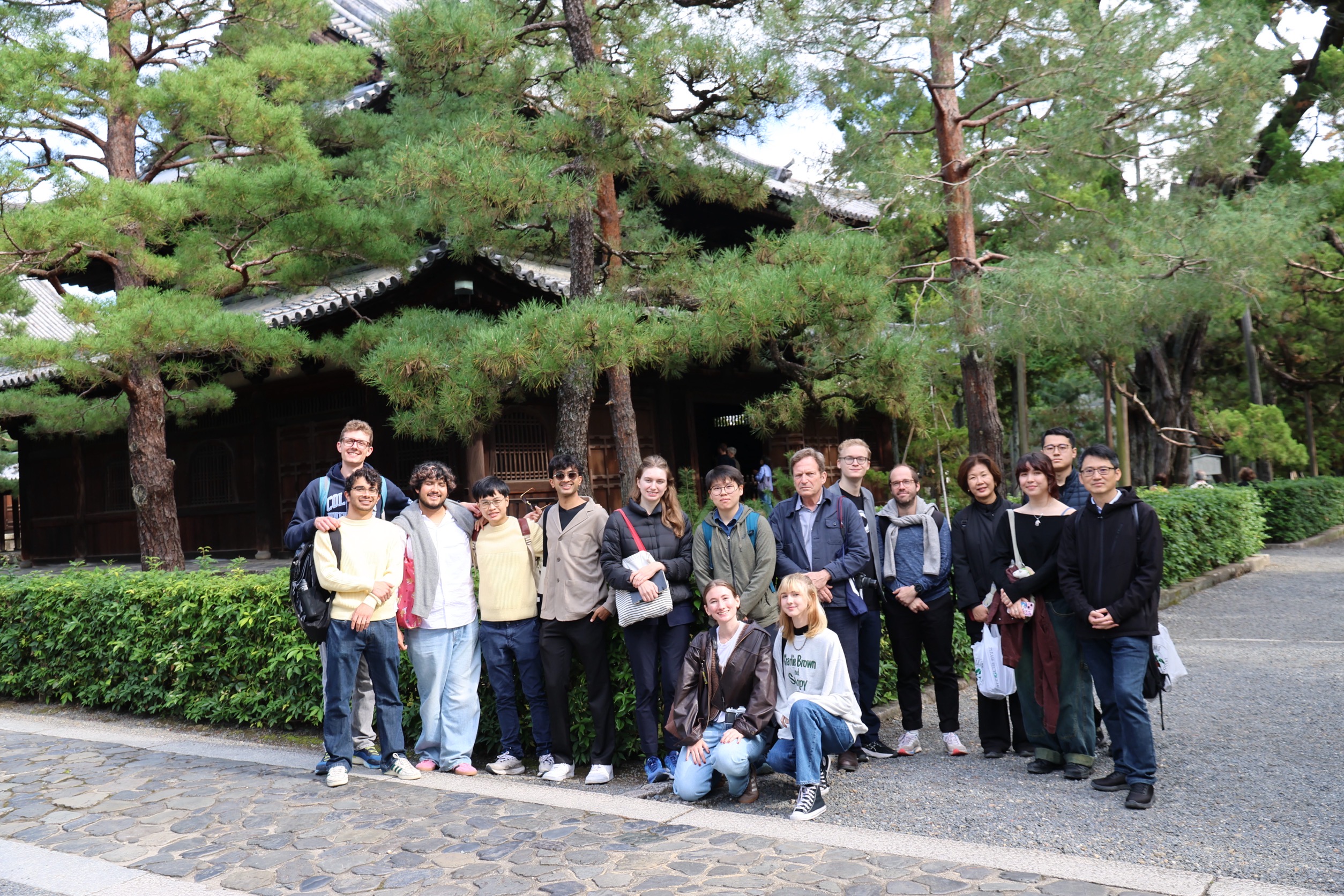
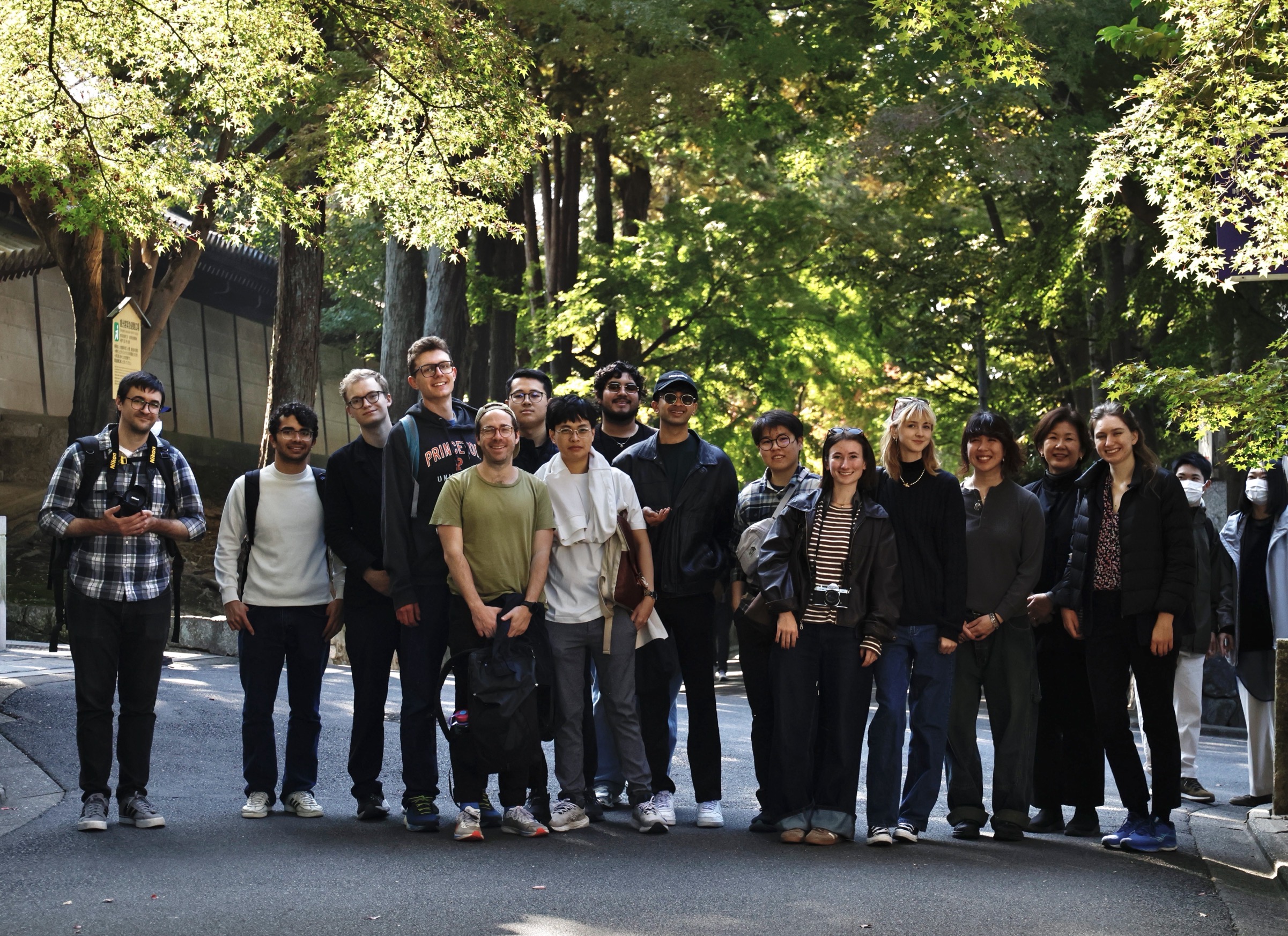
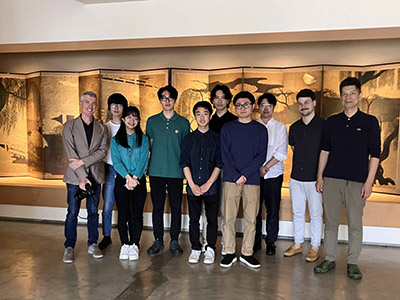
Matthew McKelway and Max Moerman (EALAC) led fifteen undergraduate and three doctoral students on the Fall 2025 Riggio Travel Seminar, Temples of Kyoto, which examined ancient Buddhist religious complexes in Nara and Kyoto. Highlights included visits to the seventh-century temple Hōryūji; the eighth-century halls of Tōdaiji and Tōshōdaiji; the Phoenix Hall of Byōdōin; and Ryōanji, as well as a close-up private tour of the decades-long restoration of Enryakuji’s Main Hall with reverend Imadegawa Gyōkai.

At each site, students delivered team presentations on architecture and Buddhist sculpture, and all benefitted from insights shared by distinguished scholars of Japanese art and architectural history, including Masuki Ryūsuke (University of Tokyo), Shimizu Shigeatsu (Kyoto Institute of Technology), and Samuel Morse (Amherst College). Professor Jin Xu, graduate student Philippe Depairon, department administrator Satomi Tucker, and Tim Trombley from the Media Center also joined the group.

Broadening their focus beyond architecture and sculpture, most participants also visited special exhibitions devoted to treasures from the Shōsōin at the Nara National Museum and to Song- and Yuan-dynasty Chinese Buddhist painting at the Kyoto National Museum. They concluded the week at Tōfukuji’s “Sky Spanning Bridge” beneath auspiciously sunny skies.

May 11-15, 2024
Todai Symposium

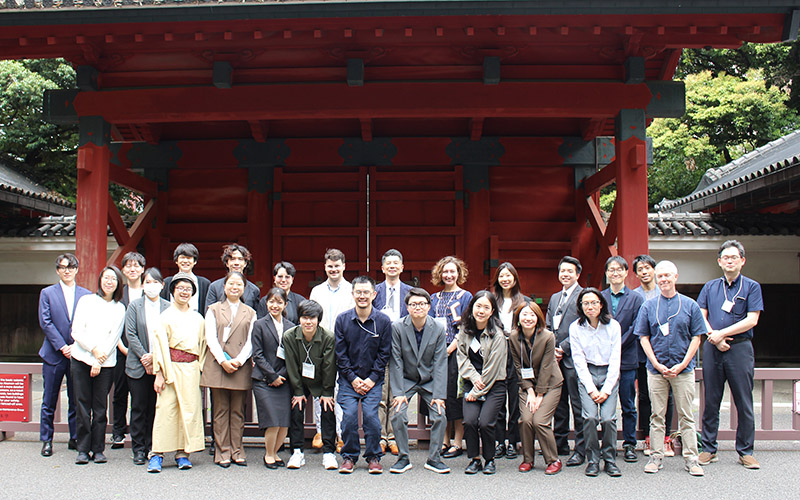
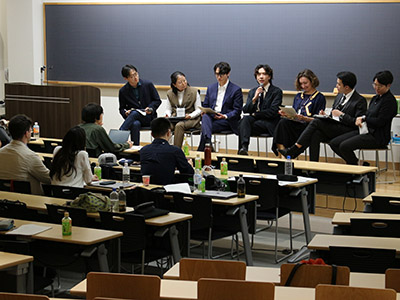
On May 11-12, 2024, sixteen PhD students in the history of Japanese, Chinese, and Korean art gathered at the University of Tokyo for the first of what is envisioned as a regular program of exchanges between the two institutions. Professors Masuki Ryūsuke and Takagishi Akira, with Prof. McKelway initiated the gathering, which was entirely organized and run by the graduate students in a series of five sessions covering everything from Heian period Buddhist sculpture to Japanese colonial architecture in Taiwan. Following the week-end program, students convened for excursions to galleries in Tokyo and exhibitions at the Kyoto and Nara National Museums.
May 19-22, 2024
Travel Seminar to Kyushu

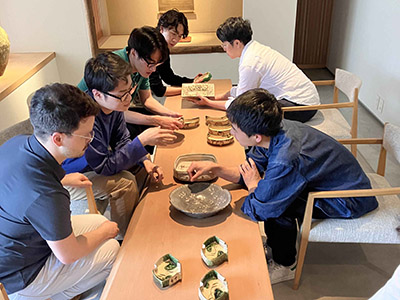
Over four days in May 2024 graduate students of East Asian art accompanied Professor McKelway, Midori Oka, and Professor Arakawa Masaaki from Gakushūin University to several historical sites of ceramic production in Kyushu. The trip was an extension of the seminar Prof. Arakawa taught in the Department of Art History & Archaeology in fall 2023. Beginning at Karatsu, they explored Momoyama period (early 17th c.) kiln sites and visited the Karatsu-ware potters Nakazato Takashi and his son Nakazato Taki, and continued to Arita to see the Izumiyama quarry, where kaolin clay used for porcelain was first discovered in Japan. While in Arita they also visited Imaizumi Imaemon XIV, a Living National Treasure, whose family has been creating Nabeshima ware porcelain since the early 17th century.

May 18-28, 2016
Travel Seminar to Kyoto and Nara

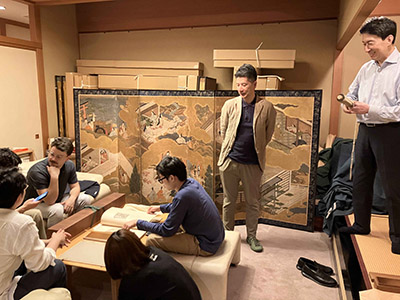
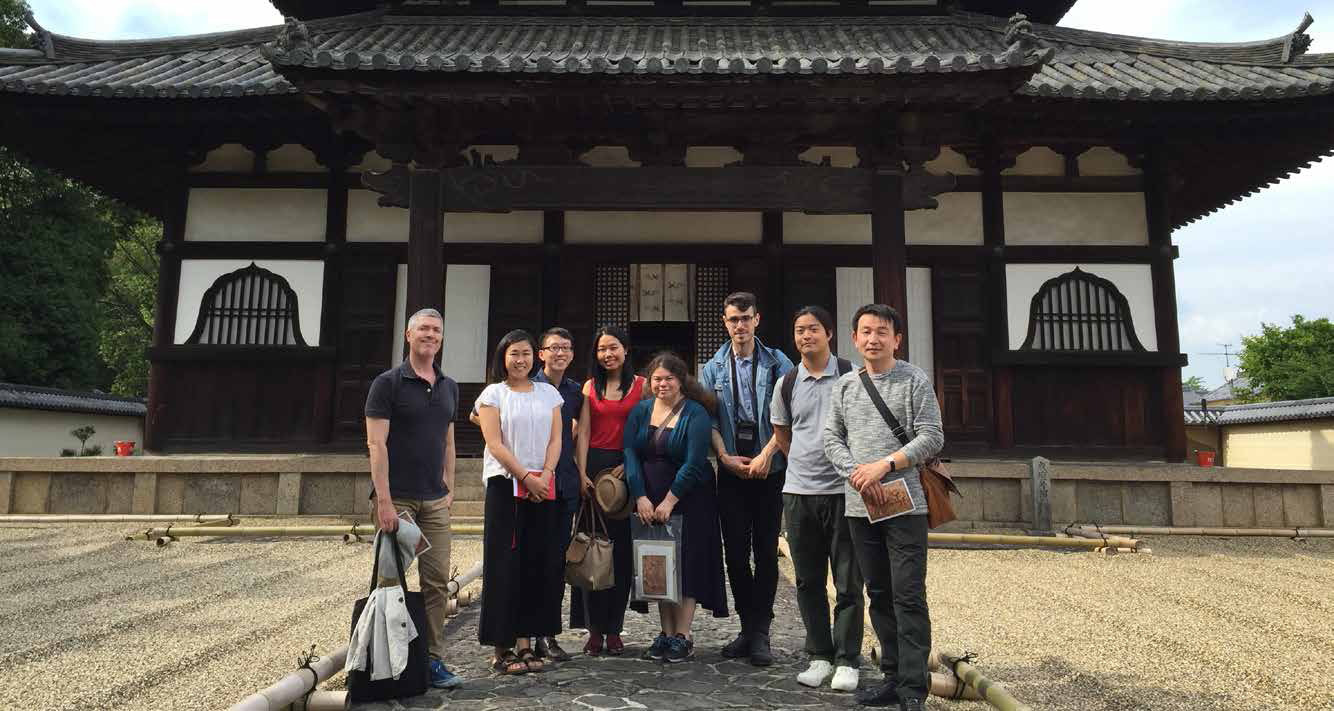
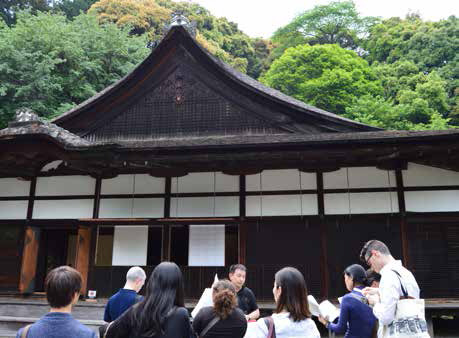
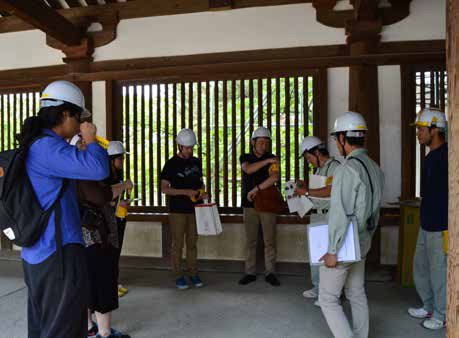
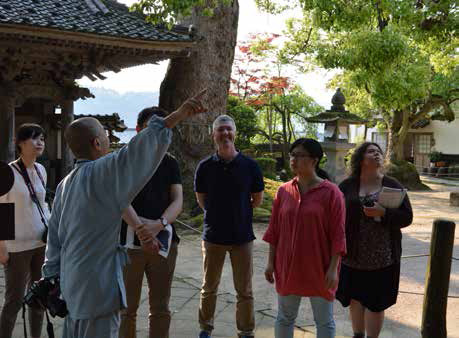
Professor McKelway took a group of students from Columbia University to Japan for a field seminar on relationships between painting and architecture co-organized with Professor Shimizu Shigeatsu of Kyoto Kōgei Sen’i Daigaku (Kyoto Institute of Technology) and his colleagues Professor Ido Misato and Professor Akamatsu Kazue. This trip, which was funded by the Murase Travel Fund for Japanese Art, was the first of its kind organized for students of East Asian Art history from Columbia. For ten intensive days the group, which also included art history and architecture students from Kyoto Institute of Technology, studied temples and shrines in the Kansai region, focusing on Kyoto and the ancient city of Nara.

Highlights of the seminar included: viewing the 12th century Illustrated Legends of Mount Shigi (Shigisan engi) on view in its entirety in a special exhibition at the Nara National Museum followed by a private lecture by the curator, Taniguchi Kōsei; viewing the special exhibition on the arts of Zen Buddhism at the Kyoto National Museum; an overnight trip to study the room paintings by Maruyama Ōkyo and his studio at Daijōji; and a day at Hōryūji, where the group was permitted to view the temple’s 7th century gate from scaffolding recently erected for conservation work.

The students, Xiaohan Du, Cathy Zhu, Valerie Zinner, Eric Wong, and Trevor Menders (CC ‘18) gave presentations on their observations and findings at a symposium organized by Professor Shimizu and Professor Ido on May 24, the proceedings of which will be published by Kyoto Institute of Technology.