
The Great South Gate of the monastery Tōdaiji is a representative example of the Daibutsu-yō (Great Buddha style)—a style thought to be introduced from southern China by the monk Chōgen in the late 12th century. Distinguished by the insertion of numerous beams into the columns, this style allows for the reconstruction of the entire assembly process through an analysis of the shapes of the mortises (the holes into which the beams are fitted). The method of recreating the assembly process is also applicable to chuandou (column-and-tie-beam framework system), style architecture, which is considered one of the origins of the Daibutsu-yō style in China. This theory of assembly processes promises to serve as a new analytical method for examining the technical and stylistic character of medieval architecture within a unified perspective across East Asia encompassing Japan and China.
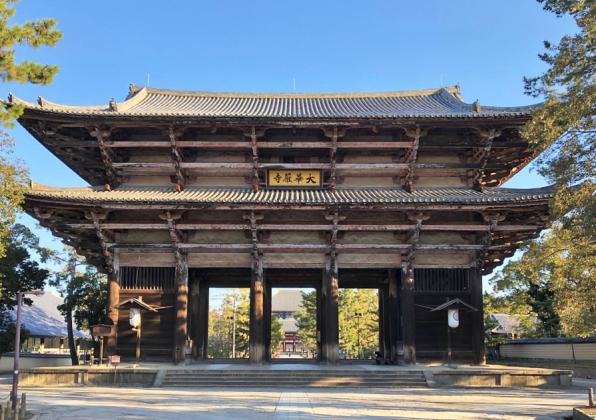
Great South Gate, Tōdaiji
807 Schermerhorn Hall
RSVP for campus access QR code: mo2486@columbia.edu